Speed Kills the Competition: How Instant Crypto Withdrawals Are Flipping the Script on American Gaming
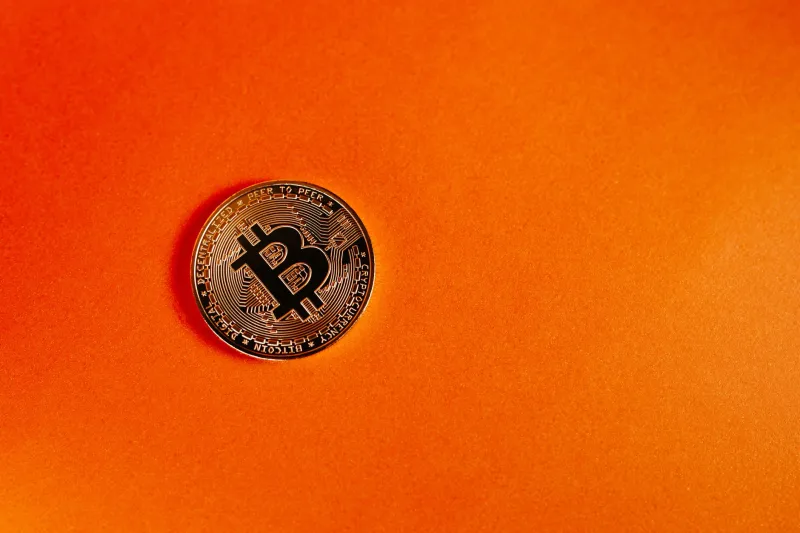
There's a moment every gambler knows. You hit. The balance updates. And then you think: okay, how fast can I actually get this money?
For most of American gambling history, that answer was: not very. Bank wires took three to five business days. ACH transfers cleared whenever they felt like it. Even PayPal — once considered the fast option — could sit on your funds for 24 to 48 hours while "verification" ran its course. Players learned to be patient the hard way, because patience was the only option on the table.
Crypto casinos just flipped that entire equation. And now, withdrawal speed has quietly become the fiercest battleground in online gaming.
From Days to Seconds: The New Baseline
When blockchain-based platforms first started gaining traction in the US market, crypto payments were mostly a curiosity — a workaround for players who couldn't use credit cards or didn't want the paper trail. But something unexpected happened along the way: the technology got faster, the infrastructure matured, and suddenly these platforms were processing withdrawals in under a minute.
Not under a day. Not under an hour. Under a minute.
To put that in context, consider what a traditional licensed sportsbook in New Jersey or Pennsylvania puts you through. You submit a withdrawal request. It enters a manual review queue. Someone checks your KYC status. A compliance flag might pause it for additional screening. Then it routes through a payment processor. Then your bank has to actually receive and settle it. Best case, you're looking at 24 hours. Realistic case? Three to five business days, especially over weekends.
Crypto platforms operating on networks like Ethereum, Solana, or BNB Chain can confirm a transaction in anywhere from two seconds to two minutes, depending on the network and the gas fees at the time. Some chains — particularly those built specifically for high-throughput applications — process blocks so fast that the delay is barely perceptible to the end user. You click withdraw, you watch the confirmation tick up, and the funds are in your wallet before you've finished reading the confirmation message.
That's not just a convenience upgrade. That's a fundamentally different relationship with your own money.
The Backend Complexity Nobody Talks About
Here's where it gets interesting: maintaining instant withdrawals at scale is not simple. It's actually a significant operational challenge, and the platforms doing it well deserve credit for the infrastructure they've built.
The core problem is liquidity management. When a player hits a big win and requests an immediate payout, the platform needs to have liquid funds available in the right wallet, on the right network, at that exact moment. If the casino's hot wallet runs low — because a dozen whales all cashed out in the same hour — there's a risk of delays or, worse, failed transactions that erode trust instantly.
Sophisticated crypto platforms solve this through layered wallet architecture. They maintain hot wallets for immediate payouts, warm wallets as a buffer layer, and cold storage for long-term reserves. Automated systems monitor balances in real time and trigger rebalancing operations before any wallet approaches critical lows. Some platforms integrate with liquidity providers or use algorithmic treasury management to ensure that payout capacity never becomes a bottleneck.
There's also the network congestion problem. During periods of high blockchain activity — like a major market move that sends every crypto trader scrambling simultaneously — gas fees spike and confirmation times can stretch. Smart platforms hedge against this by supporting multiple chains, automatically routing payouts through whichever network is currently fastest and cheapest. That kind of multi-chain agility requires serious engineering investment, but it's what separates the operators who can genuinely promise instant payouts from the ones who are just using the word "instant" as marketing copy.
What Speed Does to a Player's Brain
There's a psychological dimension here that's worth sitting with for a second. Instant gratification isn't just a nice-to-have — it's a fundamental driver of behavior, and the gaming industry has always understood this better than most.
When you win and the money is immediately, tangibly in your possession, the reward loop completes cleanly. Your brain registers the win, the funds arrive, and the experience feels whole. When there's a multi-day delay between winning and receiving, that loop stays open. The win starts to feel abstract. Players describe it as the money "not feeling real" until it actually lands — and that psychological gap creates friction, doubt, and sometimes regret that can turn a positive experience sour.
Crypto casinos that nail instant withdrawals are essentially closing that reward loop faster than any platform in history. And once a player experiences that, going back to a three-day wait genuinely feels like punishment. The bar has been raised, and it's not going back down.
Player retention data from platforms operating in crypto-friendly markets bears this out. Withdrawal speed consistently ranks among the top two or three factors that keep players loyal to a specific platform — often outranking game selection or bonus size. People will accept a smaller welcome bonus if they know they can pull their winnings in 45 seconds. They will not stay on a platform that makes them wait three business days, regardless of how generous the promotions look on paper.
How Traditional Sportsbooks Are Responding
The legacy operators aren't blind to this. Major US sportsbooks have invested heavily in speeding up their own payout infrastructure over the past few years, with same-day PayPal and Venmo withdrawals becoming increasingly standard for verified accounts. Some platforms now offer instant debit card payouts for a fee.
But here's the ceiling they keep hitting: they're operating within a regulated banking system that has its own timelines, compliance requirements, and institutional inertia. No matter how fast the sportsbook's internal processing gets, they still have to hand off to a bank or payment processor that runs on legacy infrastructure. The last mile of that journey is out of their control.
Crypto platforms don't have that last mile. The blockchain is the payment system. There's no handoff, no intermediary, no waiting on a third party to clear the funds. That structural advantage isn't something traditional operators can engineer their way around — it's baked into the architecture of how the two systems work.
The Expectation Shift Is Already Here
What's happening right now in the US gaming market is an expectation reset, and it's moving faster than most traditional operators realize. A generation of players is growing up with crypto-native gaming experiences as their baseline. For them, instant withdrawals aren't a premium feature — they're the minimum acceptable standard.
When those players eventually interact with a platform that asks them to wait 72 hours for their winnings, they don't just feel inconvenienced. They feel like something is being done to them. And in a market with abundant alternatives, that feeling is fatal to loyalty.
The crypto casino arms race isn't really about blockchain ideology or decentralization philosophy. It's about who gets to define what "good" looks like for American players. Right now, the platforms moving fastest — in every sense of the word — are the ones writing that definition.
And they're not waiting around for anyone to catch up.